
Author Information
Trying to Survive the System: My Lived Experience of Multiple Disabilities
Folder:
Prose Trying to Survive the System:
My Lived Experience of Multiple Disalities
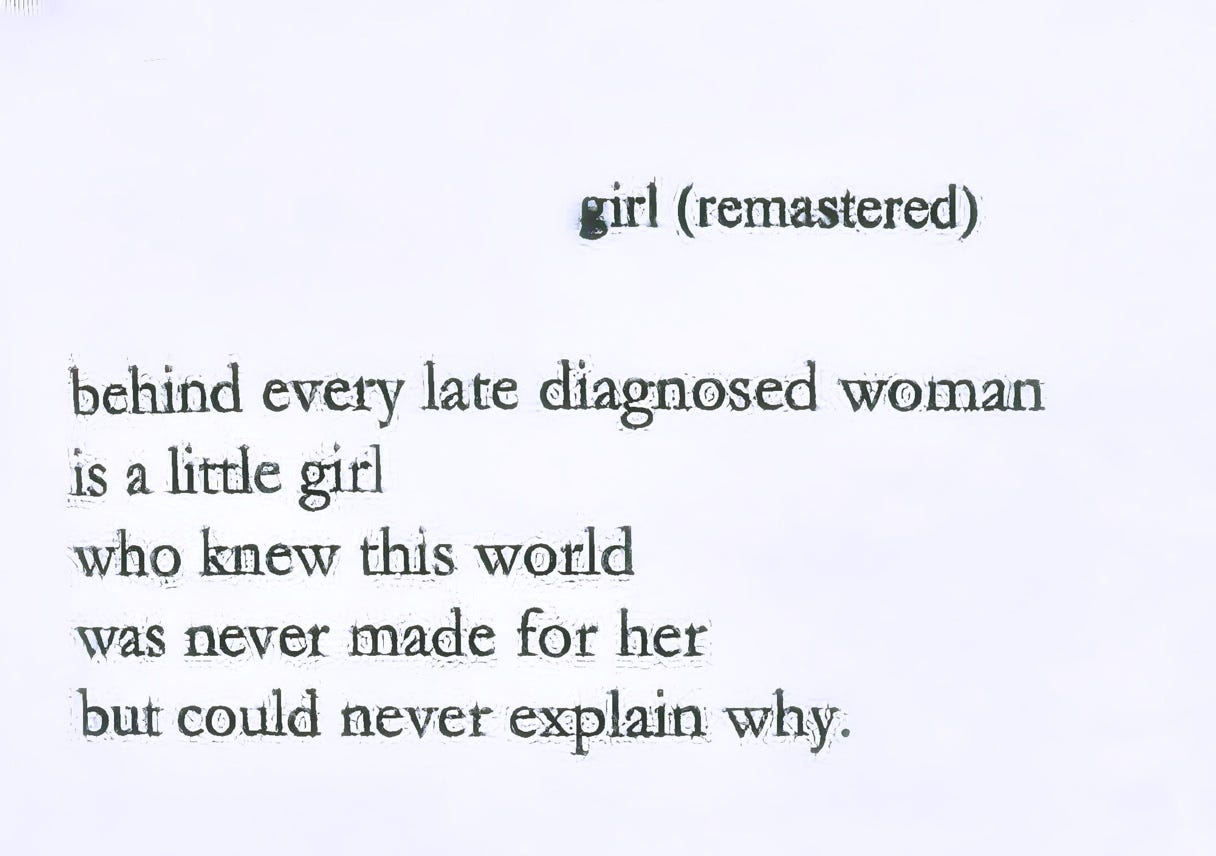
Evergreen quote. Poem by Jessica Jocelyn
I admit this was, inspired isn’t the right word, by a case manager at Carers QLD who seems to have no lived or fundamental understanding of what living with a disability is like, nor how we are also confronted with being further disabled by society.
Navigating Disability and Systemic Barriers
I have constructed this orchestra analogy as a universal one (at least I hope it is); previous drafts used cars, GPS, and a ship and its crew navigating the rough ocean. I prefer the more poetic nature of this one to illustrate some of the issues I face. What does it mean to survive in a world not built for you?
As a person living with multiple, complex disabilities, I am forced to conduct this broken orchestra of my life, juggling pain, systemic barriers, and the constant threat of homelessness.
This is not just my story, but a reflection of countless others who have been failed by systems meant to support us. Here, I share a day in my life, the impossible mathematics of survival, and the persistent hope that refuses to be silenced, even when every note is played on broken strings.
The Broken Orchestra — An analogy
Imagine being the sole conductor of a full symphony orchestra — except everything is catastrophically broken:
Your podiumconstantly spins and tilts (vestibular dysfunction with 42% left ear weakness, 9% right). You’re perpetually fighting to stay upright whilst conducting, with sudden movements triggering violent spinning, vomiting or blackouts.
Your body is a violin shattered 43+ times and imperfectly repaired. The curved spine creates constant tension, making every movement painful and precarious.
The concert hall’s acoustics are chaos (AuDHD). Some sounds are deafeningly amplified whilst crucial cues disappear. Lights flicker unpredictably, temperature swings wildly.
Your musical score is damaged (acquired brain injury). Pages are missing, notes blur and rearrange, and concentration fractures repeatedly.
The orchestra instruments are all broken:
Percussion (migraines): Sudden, blinding explosions of pain.
Strings (fibromyalgia): Playing with razor wire, creating widespread burning.
Woodwinds (sleep apnoea): Gasping, incomplete notes.
Brass (IBS): Unpredictable, embarrassing interruptions.
The venue is being demolished (eviction with a court-approved warrant).
You’re conducting whilst the building crumbles around you and your beloved companions — Boudica (your regal Tonkinese), Badger (your affectionate tuxedo domestic), Rīx (your playful shoulder-climber), and Missy (your gentle American Bully cross).
Every application for a new venue gets rejected, sometimes due to technical failures in the booking system that cause the loss of crucial information about your pay, referecnes or companions.
You’re starving whilst performing — surviving on coffee and maybe one meal daily, with disability pension insufficient despite working six days plus weekly.
The audience is actively hostile (systemic barriers). They can’t see your struggles, demand proof you’re really struggling, then deny help because you “don’t look disabled enough” or are “too complex for our services.”
People with Disability Australia refuses assistance for advocacy because I am not in their “coverage areas.”
Micah Projects suggests, in order to get me (a middle-aged person) off the phone to go to a teenage girls’ shelter, demonstrating a complete disconnect from reality.
The cruel paradox: When you most need help, when everything is failing, that’s precisely when you’re least able to advocate for yourself. Yet, appearing functional means you “don’t need assistance.”
This is exactly what I mean in previous posts about this fallacious dichotomy.
An insight into a typical day for me.
5/6 AM: Wake groggy from sleep apnoea (mask broken- using spare size, too small but still leaks). Room already spinning. Check phone — eviction notice reminder, rental application rejected, university supervisor hasn’t responded to emails for months. Only coffee for breakfast; can’t afford food until pension arrives — likely to spend on resources for students and rent.
8 AM: Drive to first tutoring client (triggers cPTSD — every car feels like a potential trap, echoing my near-fatal MVA in November 2003, that shattered my life). Teach neurodivergent accommodations whilst receiving none from your own university. The irony burns through migraine fog as you complete a Master’s in Education specialising in autism and learning disorders.
10 AM: Between clients, discover rental application rejected — again. Technical glitches in 2Apply mean pet information vanished, making you appear deceptive. Check emails: another NPO referral leads nowhere, and another door is slammed shut.
Noon: Third client, trying to teach through cluster headache, room spinning, but they need support. I can’t cancel. I need income to eat today, and I remember my poem:
“Let your hope be a howl,
let your laughter be a shield.”
Struggle, but stay with it.
2 PM: University student guild calls — “concerns about progress” on filing an official complaint about the PhD supervisor and the HoS. Explain the concern of making matters worse by making an official complaint — probable career suicide.
I argue with myself whilst still on that call, debating that they already have. Eventually, admit that the autistic and physical burnout, including the threat of eviction, are too much to deal with, and I cannot proceed at the moment.
Acknowledge their academic gaslighting disguised as a concern (find a new place to work) is ongoing and mirrored with the same type of systemic and institutionalised behaviour from current lecturers at another university, whilst studying a master of Education specialising in working with autistic learners and other disabilities.
The irony would be funny if it weren’t destroying my life.
3 PM: Fibromyalgia flares from stress, and clothes feel like sandpaper. Drive to the housing inspection. I’m sure the application was rejected even before the inspection was completed, based on the real estate and QSTAR’s comments. The current real estate agent continues to call and message me, putting increased pressure on me with inaccurate invoices and frequent calls. At the same time, the rental app fails to transmit complete information. Another real estate agent called to say they are missing references.
4 PM: Head to next client. Arrive, but my car has broken down — steam pouring from the engine. Ignore, for the moment and continue with the session. Decide against calling roadside assistance as I’m unsure of my current bank balance. No friends or family to call — just Boudica, Badger, Rīx, and Missy waiting at home, my only family and emotional anchors in this storm. Manage to get car home with some redneck MacGyver-esque roadside “repairs”.
9 PM: First meal of the day — instant noodles. I do have food this week from a charity food hamper. But I am too tired to prep, and last time, the hamper food gave me food poisoning. Pets are always fed first. Try to continue an assignment for my Master’s degree whilst the room spins and my stomach gurgles. Write poetry in the margins.
“Barriers bloom like noxious weeds, Choking paths, stifling needs.
A pox on resilience, that cruel demand,
In a world not built by disabled hands.”
Switch to some last-minute final changes for the next client. Did I invoice the clients I saw today or this week?
10 PM: Consider emailing PhD supervisor again — ghosted for months whilst facing homelessness. No, fear of reprisal and exhaustion sway my hand. Sleep apnoea, chronic pain and insomnia mean tomorrow again starts exhausted. The eviction warrant is active, and there is nowhere for my beloved companions and me to go. If lucky, be asleep by 2 AM and sleep until morning.
The Impossible Mathematics of Survival
Despite working constantly whilst studying for two postgraduate degrees:
Disability pension: grossly insufficient- well below Henderson Line
Tutoring income: seasonal, unpredictable. After rent and essentials, there is a constant deficit per fortnight
Technical failures sabotage housing applications and progress in university works.
Medical treatments: unaffordable despite almost 23 years of chronic pain.
The Academic Irony
I am completing a Master’s focusing on pathological demand avoidance (PDA), trauma-informed pedagogy, and curriculum adaptation for neurodivergent learners, whilst being denied the very accommodations you’re trained to provide.
My Access Equity Plan (that I had to jump through multiple hoops and retrieve various specialist medical reports for) sits ignored whilst I am lectured by others about inclusive education.
My PhD research on antimicrobial resistance has stalled as one supervisor has consistently failed to respond for years.
The institutions and people I have worked with and supported, who benefit from your unpaid research and aid, offer no support when I need it in return. Many refuse even to acknowledge my struggles, and others gaslight and turn previous friends and acquaintances against me.
The Poetry of Survival In “Static & Starfire,” I document this journey:
“I am the vessel,
cracked and brimming,
where anguish sloshes,
tide against glass.”
My poems trace the path from despair toward the persistent light of hope — not linear healing, but the complex reality of surviving at society’s margins. I write:
“Let my leaving be a door,
not a wall.
Let my words be a bridge,
not a stone.”
Even in crisis, I refuse to abandon the vulnerable I serve.
The Systemic Labyrinth
Every support system leads to dead ends:
Ipswich Housing Service Centre: I was told I needed a reference from another agency, but that agency said I needed a referral from them. When I questioned it, my social housing application was put on hold again for paperwork I had already provided in various forms.
PWDA (People with Disabilities Australia): “Not our coverage area” then they send a link to services that refer me straight back to them.
Micah Projects: Suggests services for teenage girls to a middle-aged person.
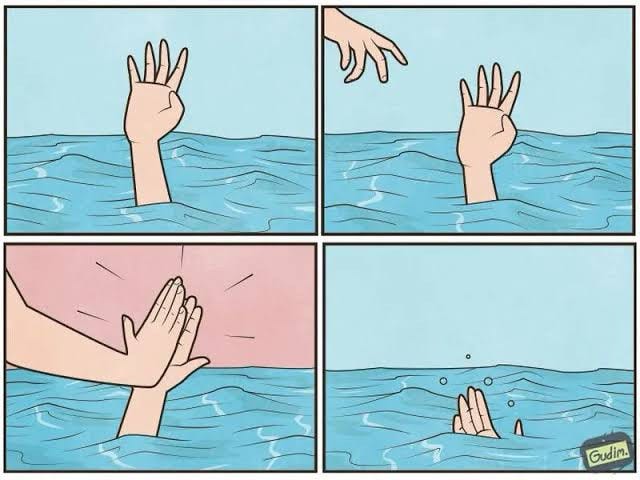
Deadly apathetic high-fives not required
Housing Queensland: When I finally got a sit-down meeting: “Earn more money first.”
Technical systems: Apps lose crucial information, sabotaging applications.
Universities: Specialists in disability who deny accommodations to disabled adults.
The Fundamental Injustice
This isn’t me as an individual failing (although I still accuse myself of it) — it’s systemic design. I can trace my journey back to multiple horrific and persistent childhood traumas, agency failures, including inadequate foster care, the 2003 crash that broke my body, eight years of rehabilitation, academic achievement despite barriers, many natural (ahem, anthropogenic) disasters and the current crisis, whilst teaching others about inclusion.
My only family, my furry companions — Boudica’s regal calm, Badger’s gentle sociability, Rīx’s playful curiosity, Missy’s friendly resilience — represent the love that persists despite systematic abandonment.
They’re not just pets but my lifelines, emotional anchors preventing complete despair and suicide, all adding to the terror about being homeless again. Despite multiple medical professionals attesting to this, I was constantly told I must rid myself of them.
The Persistence of Hope
Despite everything, I continue to teach, nurture neurodivergent students, and create knowledge through research. As my poetry insists:
“Though scarred and weary,
I will rise again,
for I have grown beneath
the weight of pain.”
This is not inspiration or to be considered resilience — it’s the complex reality of surviving multiple disabilities in systems designed to exclude you whilst maintaining humanity, creativity, and purpose against impossible odds.
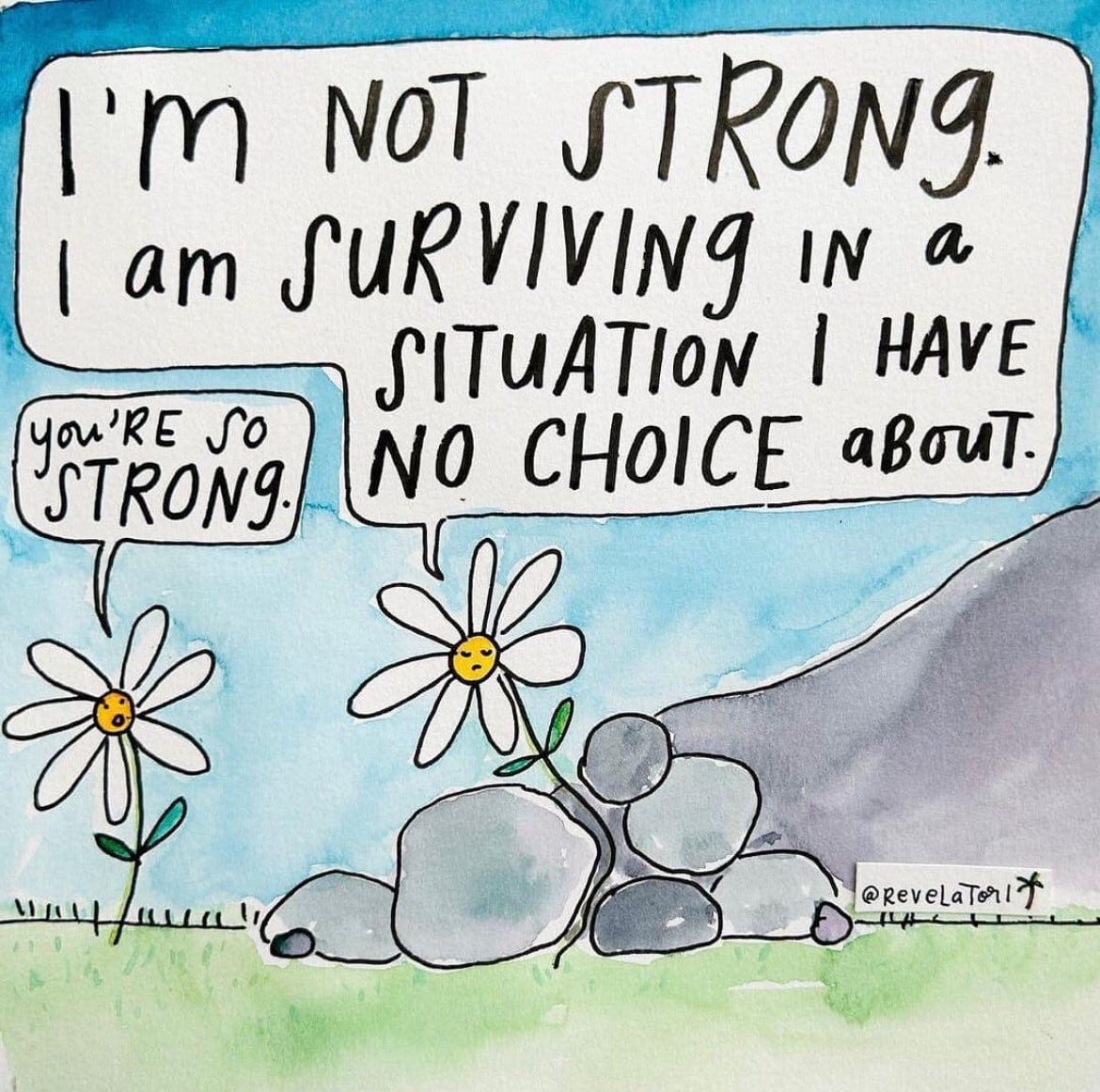
Absolutely, not by choice!
My poetry collections “Static &Starfire”and “Voices Through the Veil: A Journey of Survival“, amongst others, chart the territory between despair and its equally cruel counterpart: hope.
I document the extraordinary effort required merely to exist and continue trying to provide others what I had lacked as a child, whilst society continues and systematically fails us.
So yes, the orchestra plays on, broken but unsilenced, conducting hope from the edge of being. For how much longer, I cannot say; that answer is still unclear.

